EN
EN SP
SP FR
FR
- Home
- About Us
- Products
- Service
- Project
- News
- Contact Us
Pulished on Sep. 14, 2023
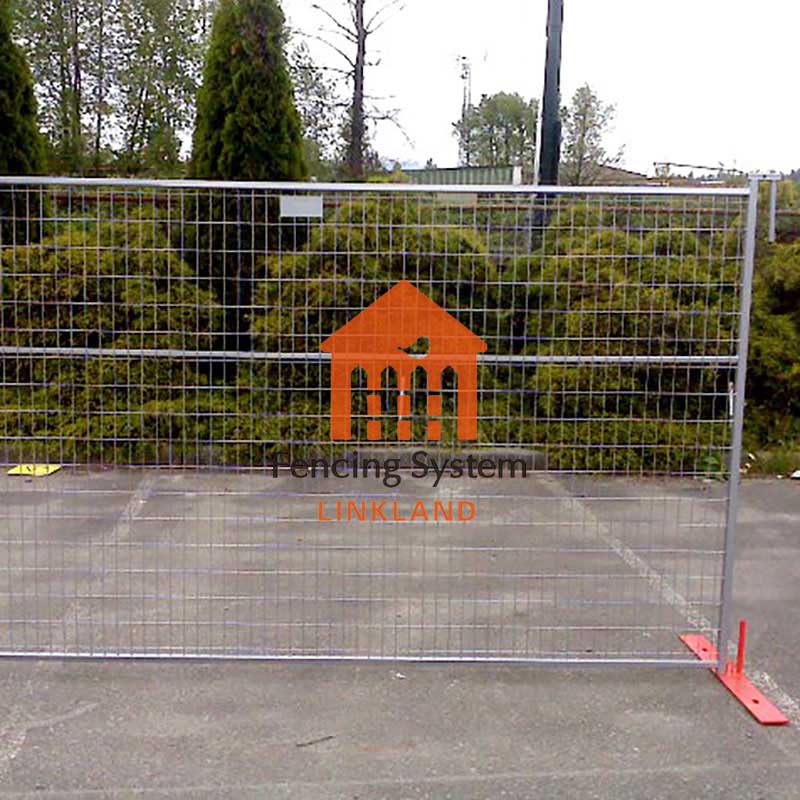
Canadian construction projects have strict safety requirements for Canada temporary fence. These requirements are designed to ensure construction site safety and protect workers and the public. Canada temporary fences must be stable and strong enough to prevent people from entering hazardous areas or materials and equipment from leaking out. Fences must be installed correctly, comply with relevant safety standards, and effectively isolate the construction area from unauthorized access.
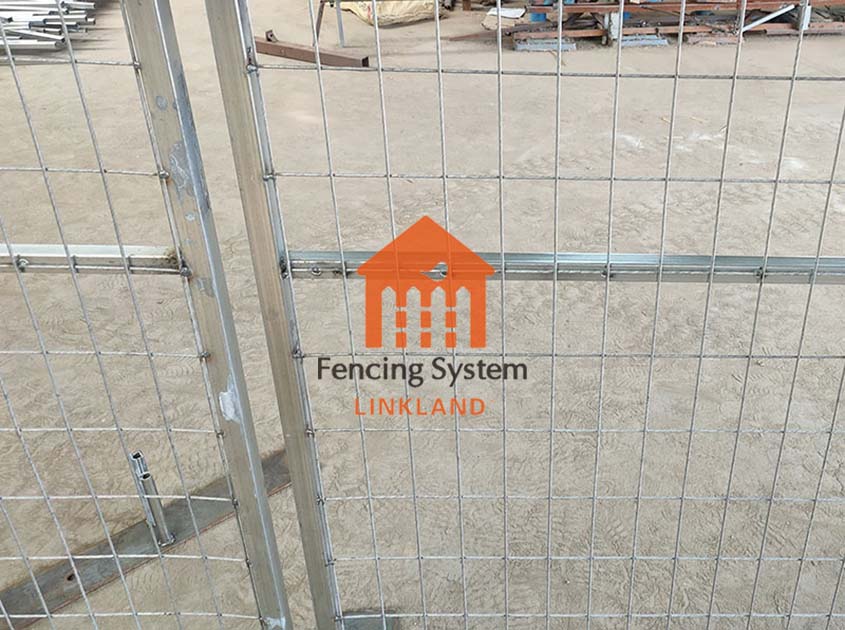
The requirements for Canada temporary fence in Canadian construction projects also include its durability and weather resistance. Since construction projects often take a while to complete, Canada temporary fences must be able to withstand long periods of use and various weather conditions. This requires that the fence material must be corrosion-resistant, weather-resistant, and able to withstand high winds, rain, snow, and other effects of the natural environment. Durability and weather resistance requirements ensure that Canada temporary fences can maintain their functionality and safety throughout the construction project.
Canada temporary fences also need to comply with signage and warning requirements on Canadian construction projects. This includes having appropriate signage and warning signs on fences to draw people's attention and alert them to the risks of entering restricted areas. The content and location of signs and warning signs must comply with relevant regulations and standards to ensure that personnel can clearly identify hazardous areas and take appropriate precautions.
The requirements for Canada temporary fence in Canadian construction projects also include its mobility and ease of installation. Due to the nature of construction projects, Canada temporary fences need to be able to be adjusted and rearranged as construction progresses. Canada temporary fences must be easy to install and remove to meet the changing needs of the project. In addition, the Canada temporary fence should be easy to move so that the fence position can be rearranged when needed to ensure safety and effectiveness during the construction process.
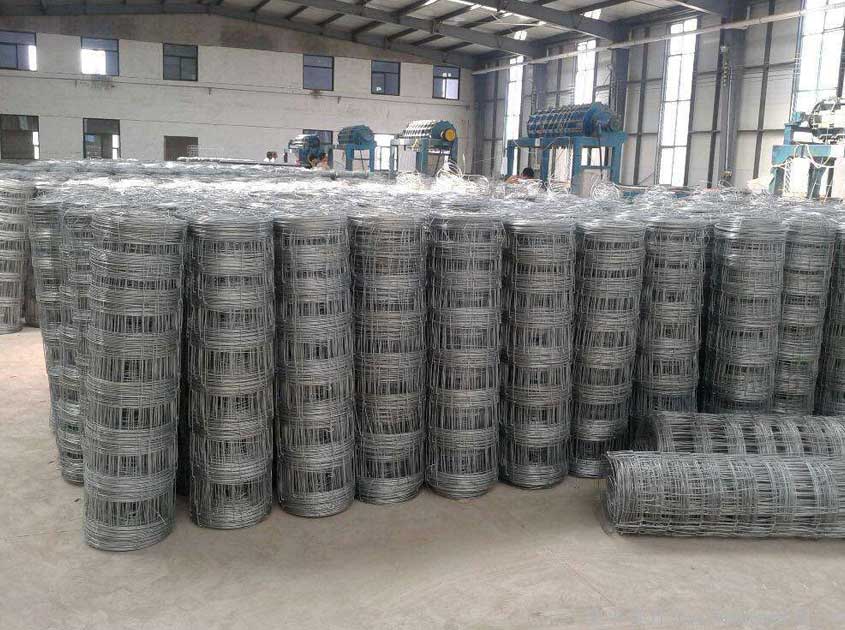
How to Choose Farm Fence for Cattle and Horses: Wire, Height and Design Guide
Pulished on Sep. 23, 2026
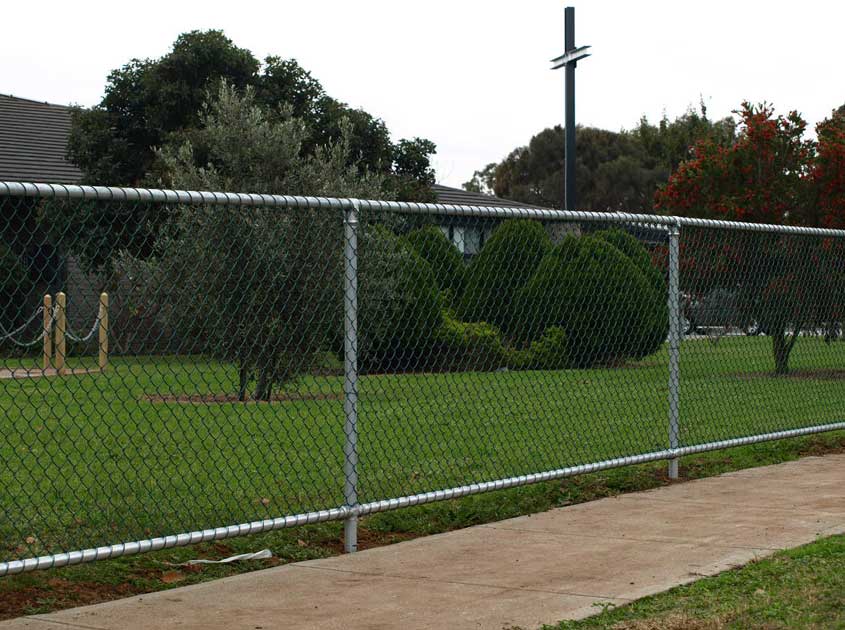
How Is Chain Link Fence Made? Manufacturing Process and Components
Pulished on Sep. 18, 2026
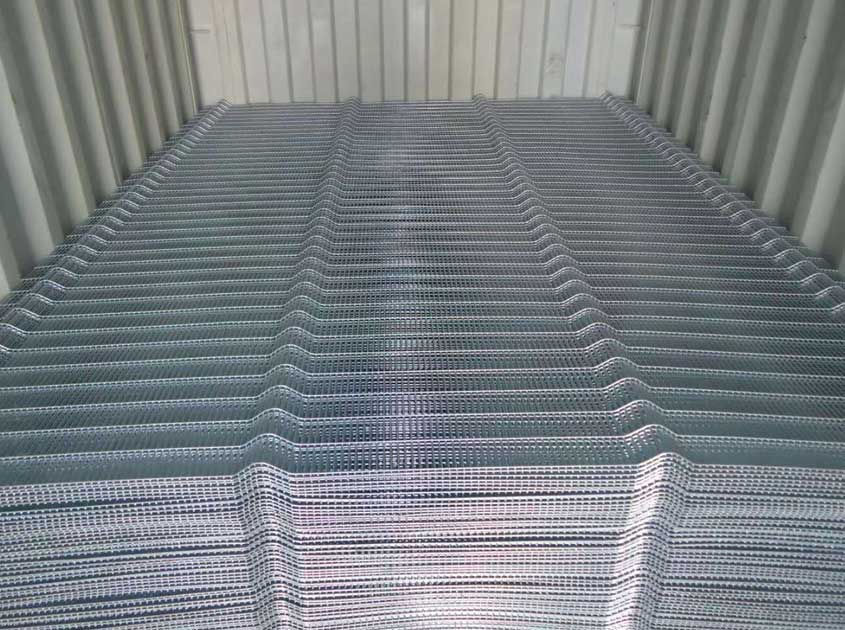
358 Security Fence vs Chain Link Fence: Security, Cost and Application Comparison
Pulished on Sep. 15, 2026
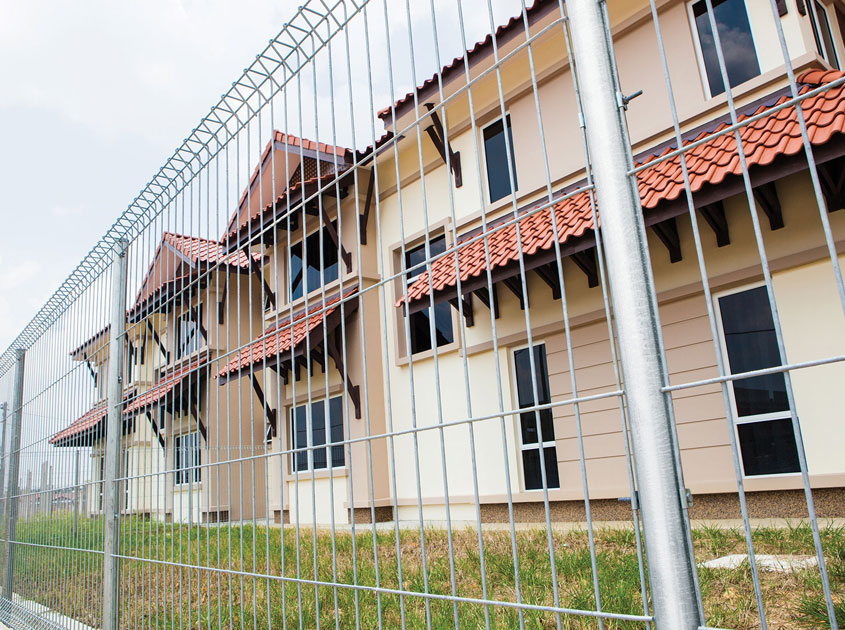
Why Choose Welded Wire Fence for Security and Protection?
Pulished on Sep. 07, 2026
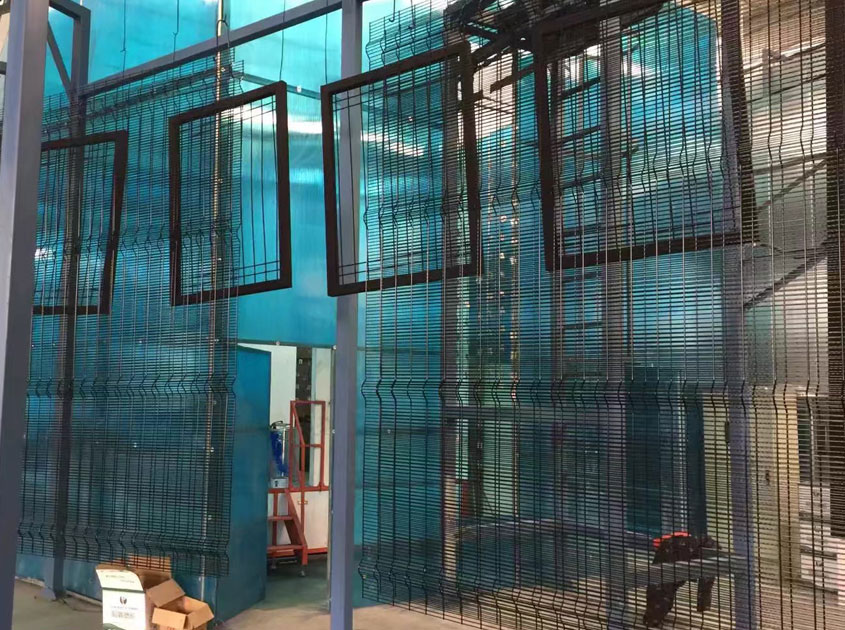
358 Security Fence Specifications and Applications Guide
Pulished on Aug. 27, 2026
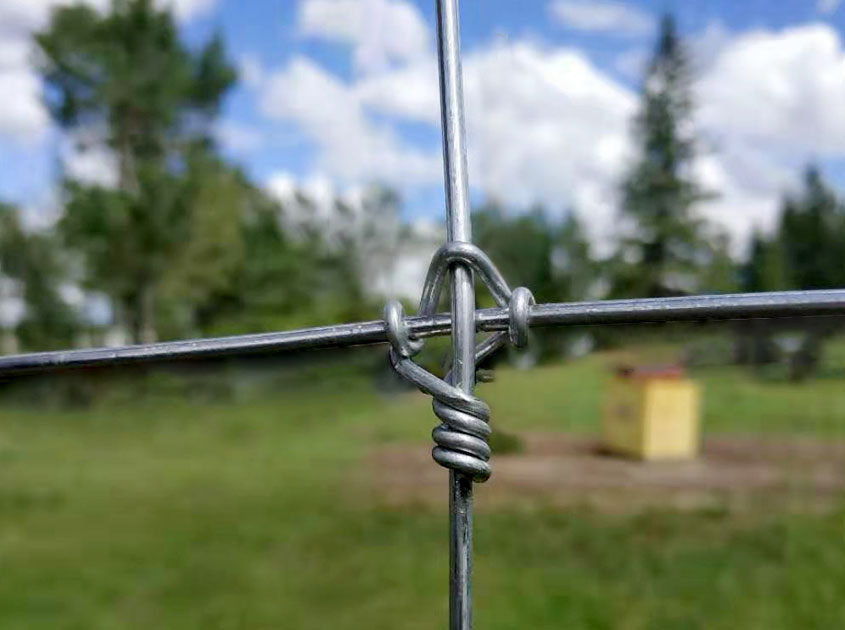
What Is Farm Fence and What Are the Main Types?
Pulished on Aug. 26, 2026
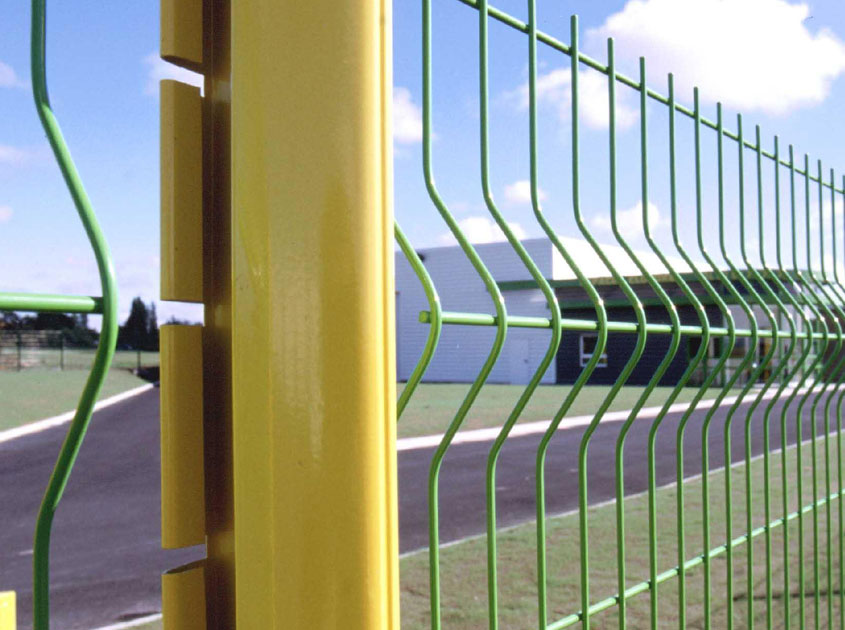
Welded Wire Fence Types, Sizes and Applications Guide
Pulished on Aug. 20, 2026
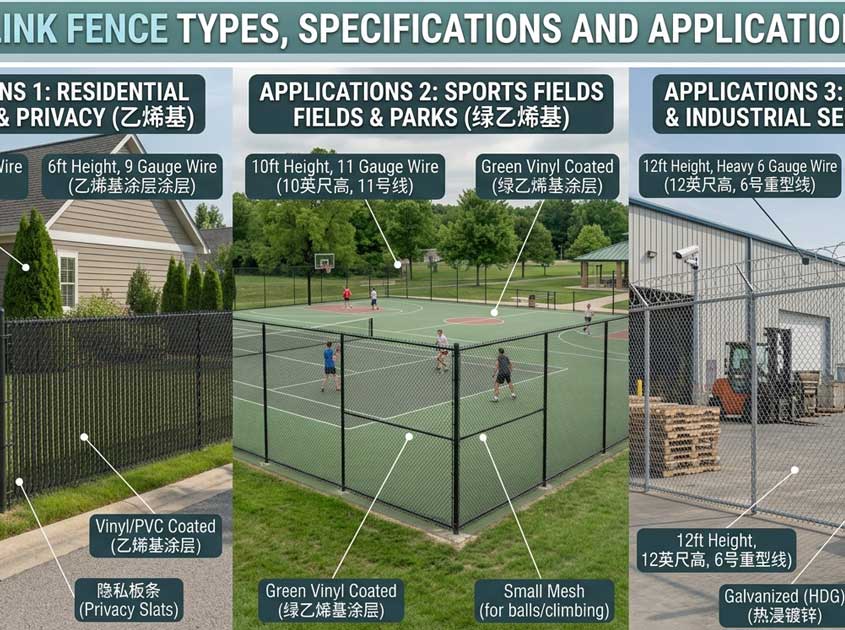
Chain Link Fence Types, Specifications and Applications Guide
Pulished on Aug. 12, 2026
How to Choose Farm Fence for Cattle and Horses: Wire, Height and Design Guide
Pulished on Sep. 23, 2026
How Is Chain Link Fence Made? Manufacturing Process and Components
Pulished on Sep. 18, 2026
358 Security Fence vs Chain Link Fence: Security, Cost and Application Comparison
Pulished on Sep. 15, 2026
Why Choose Welded Wire Fence for Security and Protection?
Pulished on Sep. 07, 2026
358 Security Fence Specifications and Applications Guide
Pulished on Aug. 27, 2026
What Is Farm Fence and What Are the Main Types?
Pulished on Aug. 26, 2026
Welded Wire Fence Types, Sizes and Applications Guide
Pulished on Aug. 20, 2026
Chain Link Fence Types, Specifications and Applications Guide
Pulished on Aug. 12, 2026